01 · Late 1960s → 1970
Built in dirt
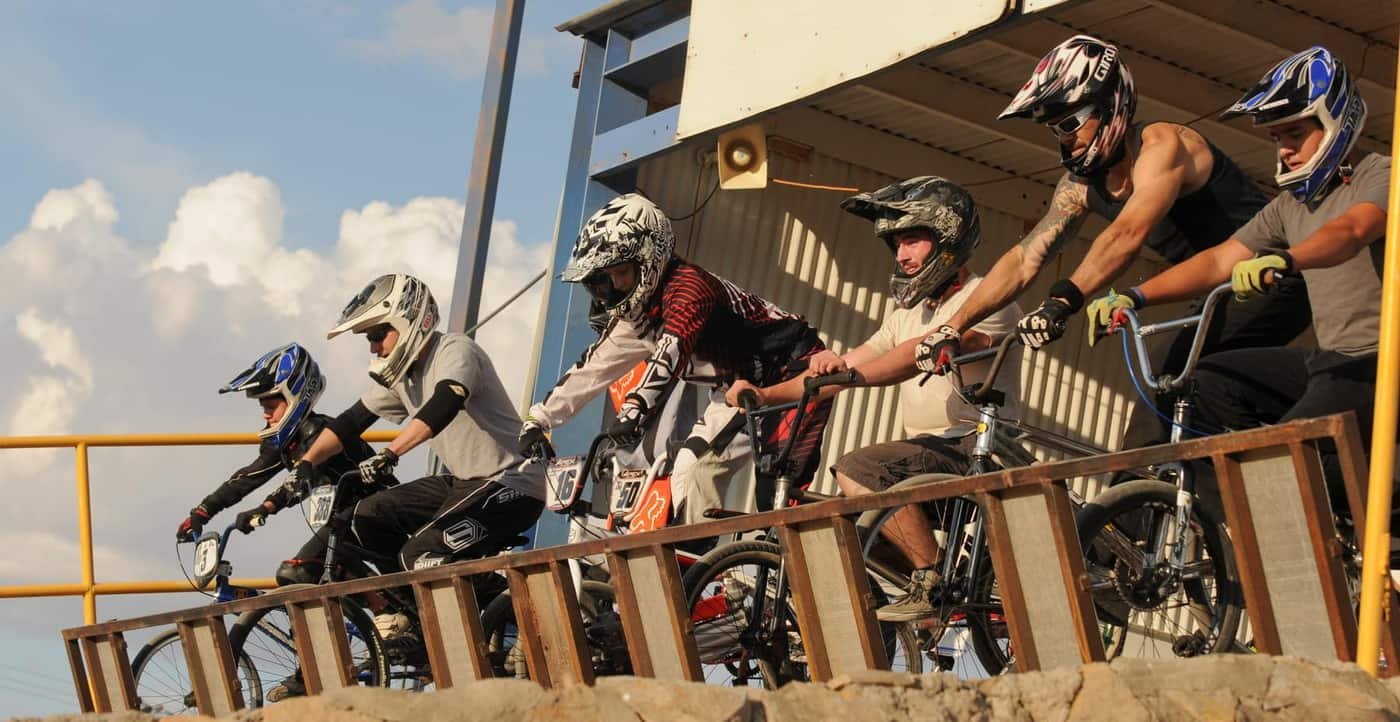
Young riders in Southern California began copying motocross on bicycles. Backyard tracks, jumps and an appetite for speed gave the new sport its spark.
Before the collector builds and chrome restorations, there were kids in the dirt, riders inventing new lines and originals who refused to accept the limits.
Young riders in Southern California began copying motocross on bicycles. Backyard tracks, jumps and an appetite for speed gave the new sport its spark.
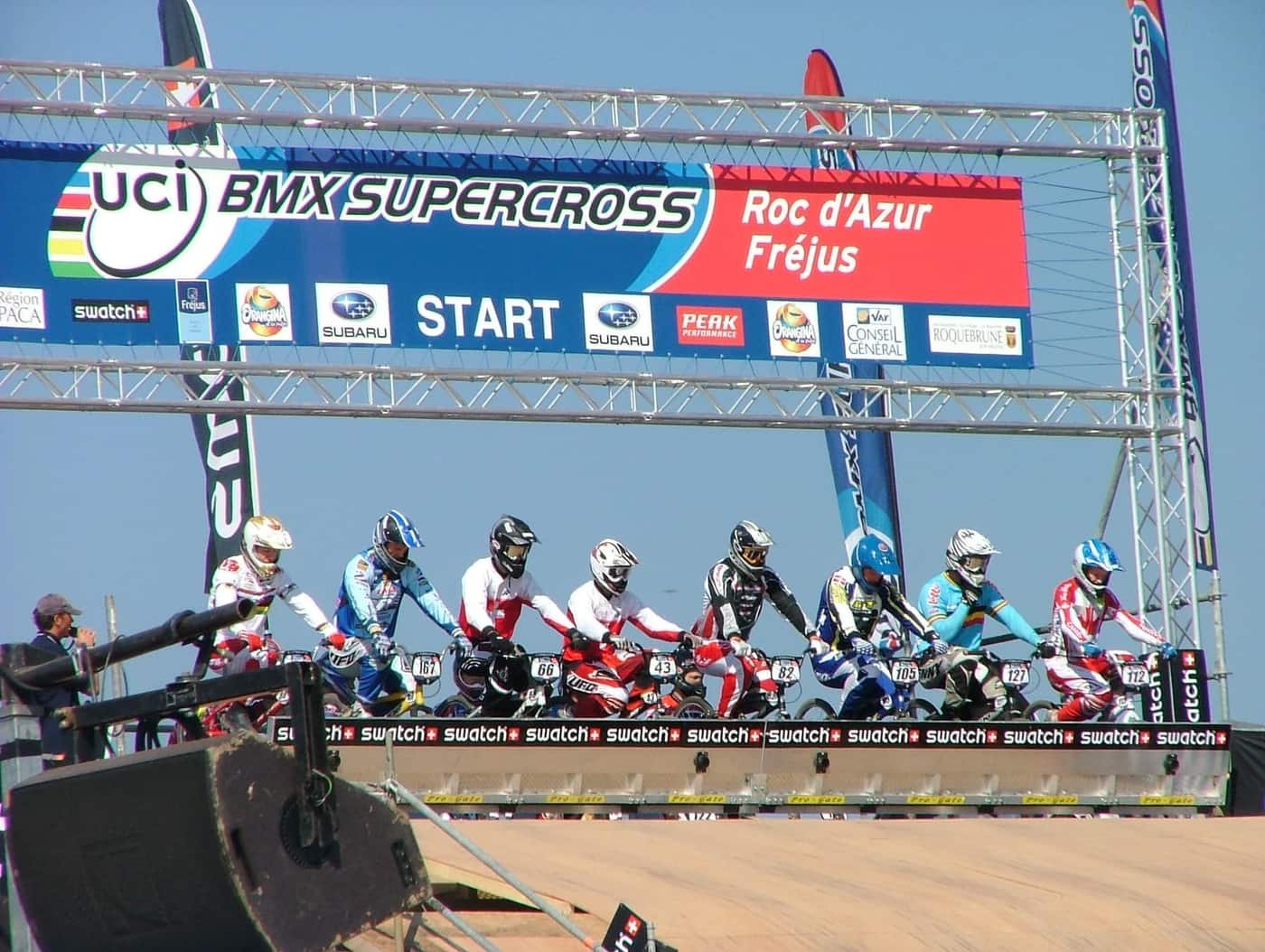
Organised racing crossed borders and the first official BMX World Championships arrived in Dayton, Ohio. A local movement had become a world stage.
BMX racing entered the Olympic programme at Beijing 2008, with freestyle following at Tokyo 2020. The scale changed; the stoke stayed the same.
Racers, designers and fearless innovators shaped BMX into a culture of speed, invention and individual style. Meet four who pushed it forward.
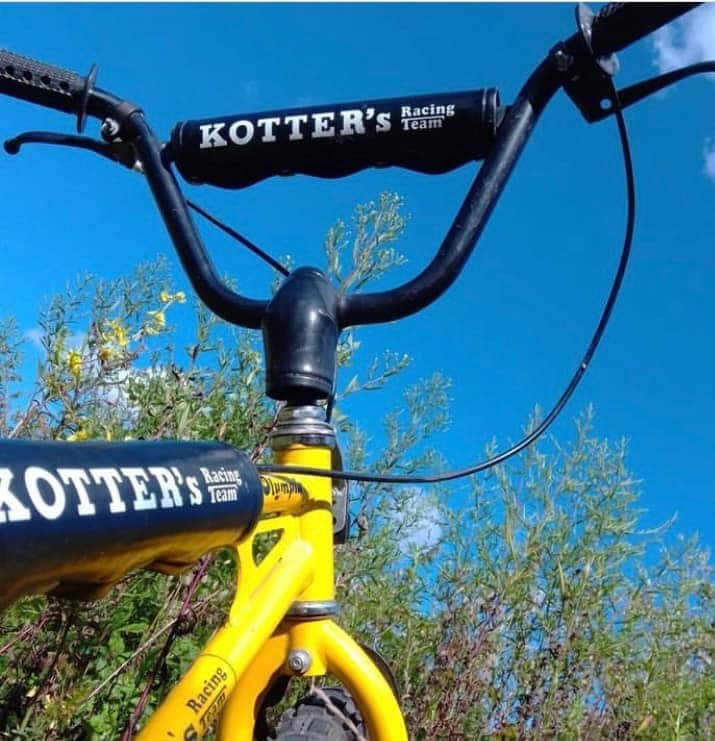 The racing roots · 1970
As a teenager in Long Beach, Scot Breithaupt organised early Pedal-Cross races and helped turn backyard imitation motocross into an organised sport.
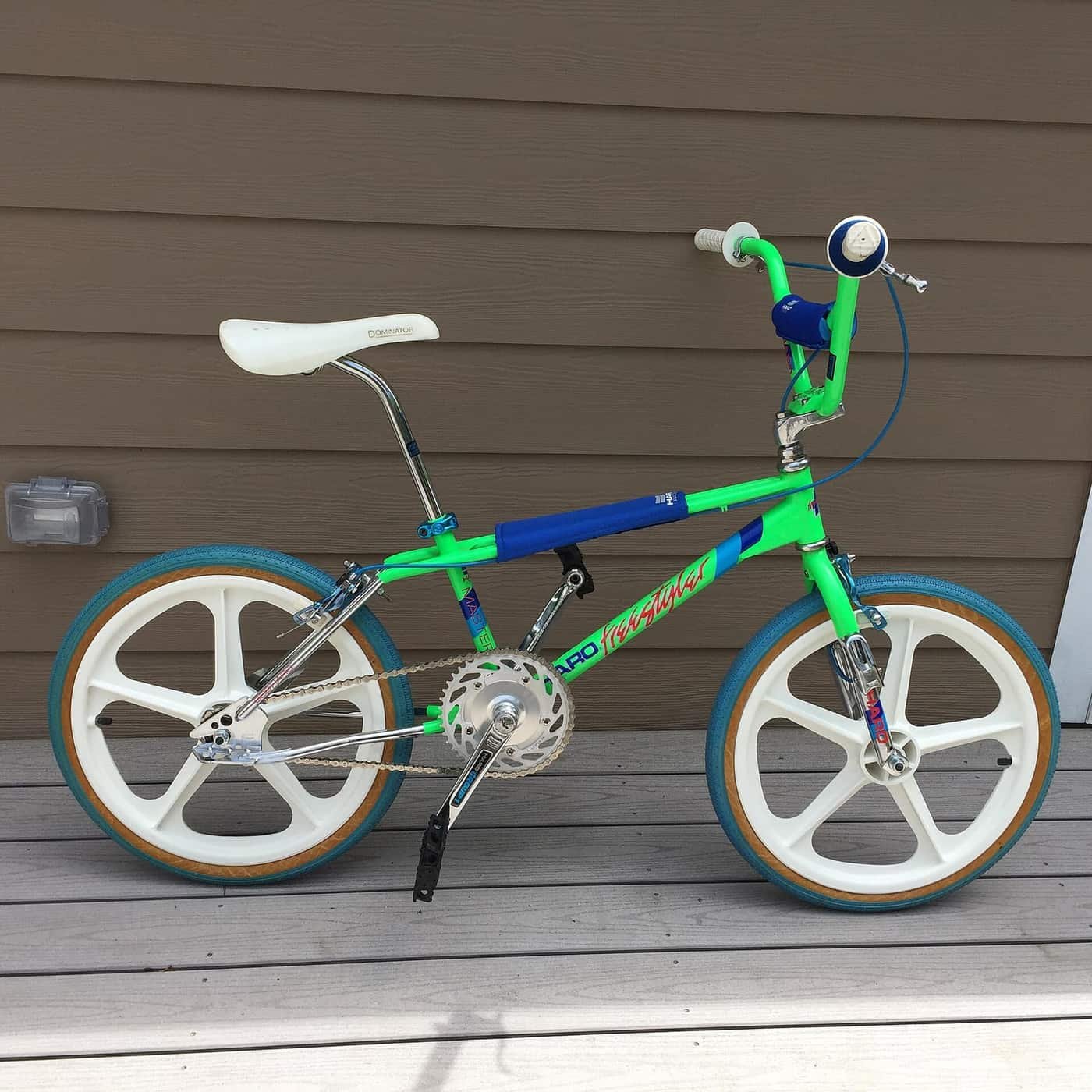 The freestyle blueprint · 1978
Bob Haro formed an early freestyle team in 1978 and later developed the first purpose-built freestyle frame and fork—giving a new discipline its own machine.
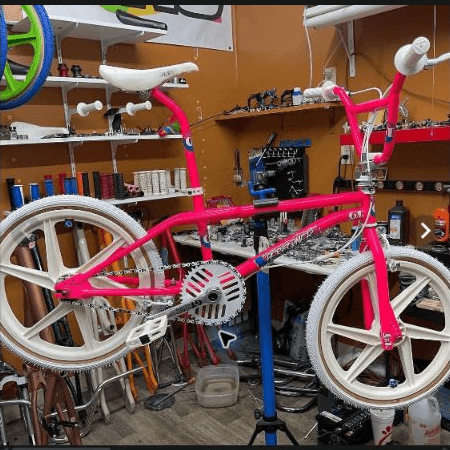 The King of the Skateparks · 1980s
Eddie Fiola won five King of the Skateparks titles, four NORA Cups and is credited with the first 540 in a pipe. He also helped shape GT’s iconic Pro Performer.
 Big air reimagined · 1985 onward
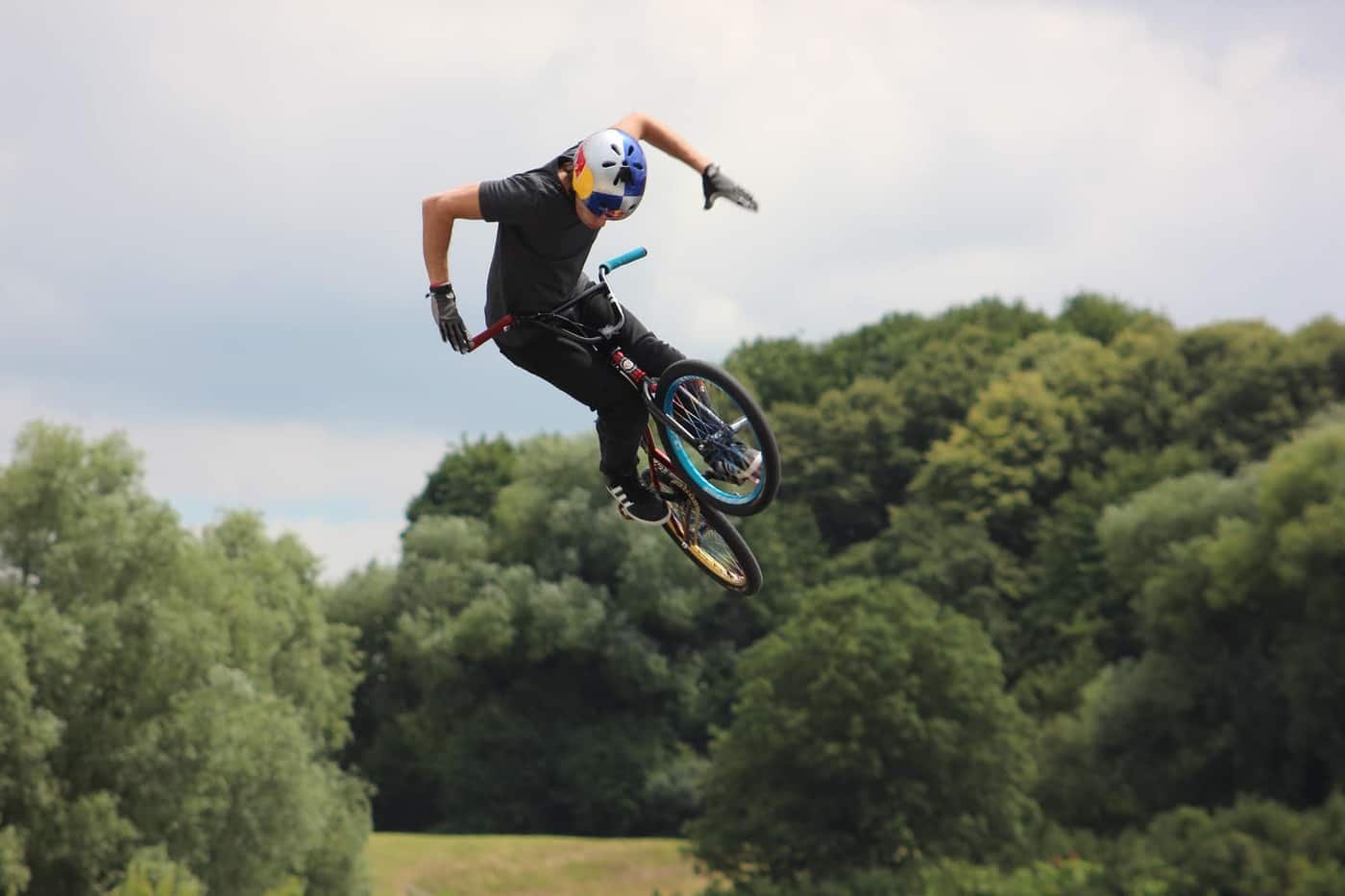
Hoffman entered freestyle contests as an amateur in 1985, was a top professional while still a teenager and pushed vert into the age of big air.
History notes are editorial context, not product provenance. Licensed archival images are credited to their creators; the Eddie Fiola story is represented by the GT Performer rather than a restricted portrait.
Explore original golden-era BMX bikes with full galleries, collector details and worldwide order support.
Shop all classic bikes →